
My Mission
When I was in graduate school to become a therapist, I envisioned a traditional private practice – seeing five or six clients each day from the comfort of an office. That vision changed one evening after class when a professor, who was a former psychiatrist at our local inpatient psychiatric hospital, pulled me aside. He told me he thought I would thrive working in an inpatient psychiatric setting.
I'm sure the look on my face conveyed equal parts apprehension and, "What did I do to upset this professor?" He must have noticed, because he smiled and said, "Just try it for a year. You can do anything for a year. If you don't like it afterward, you can do anything you want."
One year later, I was hooked.
I became fascinated by the complexity of severe mental illness and struck by how little attention it had received in my academic training. As my career progressed, I began to recognize an even greater gap: the lack of meaningful mobile crisis capacity in my community. That realization led me beyond inpatient psychiatry and crisis stabilization units into emergency departments, where I assessed individuals detained for psychiatric evaluation and made decisions to uphold or rescind those detentions.
My work continued to expand into the field. I joined the local Crisis Negotiations Team, receiving specialized training to respond to barricaded subjects and hostage situations alongside law enforcement. I also began responding to incidents that required behavioral health expertise but did not warrant activation of the full negotiations team. These experiences exposed me to the realities of behavioral health crises occurring in homes, on the streets, and in communities – far from the controlled environment of a hospital.
Working alongside law enforcement gave me a deep appreciation for the difficult role officers are asked to fulfill. For decades, they have been expected to respond to mental health crises despite not being designed, trained, or equipped to serve as behavioral health professionals. They have carried that responsibility because, in many communities, no one else will.
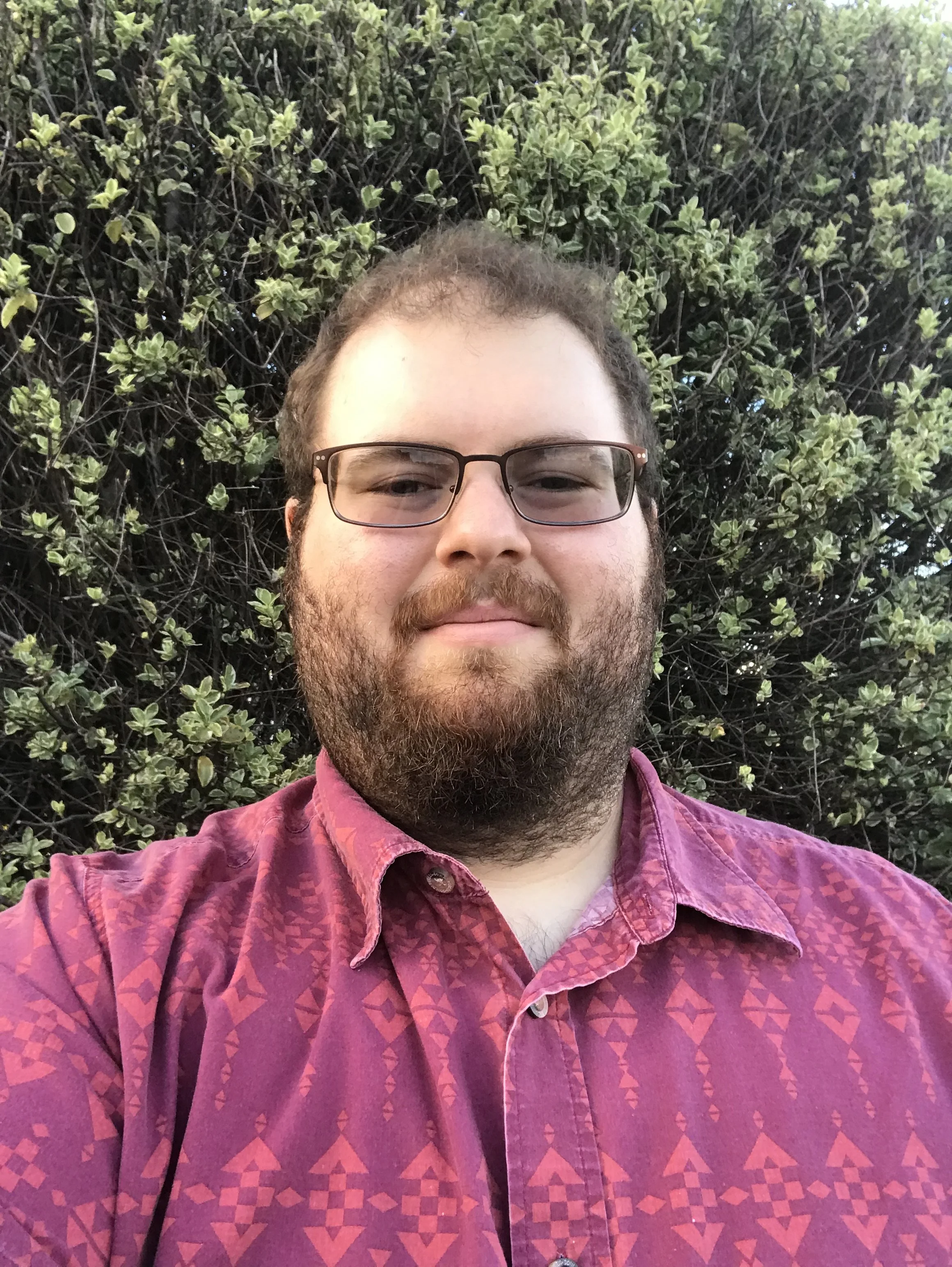
Jacob Rosen, LMFT107103
Eventually, I was given the opportunity to build a mobile crisis program from the ground up in partnership with the Eureka Police Department in Eureka, California. As that program grew and I realized the challenges I had observed locally were not unique. Communities across California—and across the nation—were grappling with the same questions: How do we build effective mobile crisis systems? How do we integrate them into emergency response? And how do we ensure that people experiencing behavioral health crises receive the right response the first time?
Those questions have become my professional mission.
I believe behavioral health must fully establish itself as an essential component of the first responder system. It is neither realistic nor equitable to expect law enforcement, fire, and EMS to meet the behavioral health crisis need alone. True parity in emergency services means that a single 911 call has the potential to generate the response that best fits the emergency—whether that is police, fire, EMS, or a dedicated behavioral health team.
Achieving that vision is challenging. Federal, state, and local policies differ, funding mechanisms vary, and every community has unique resources and needs. There is no universal blueprint. Yet those differences should not prevent communities from building effective mobile crisis systems.
My mission is to help bridge that gap by advancing mobile crisis programs that are clinically sound, operationally practical, and tailored to the communities they serve. Regardless of geography or resources, every community deserves access to a behavioral health crisis response that stands alongside police, fire, and EMS as an equal partner in public safety.